

RillStory
CANTREE PUBLISHING LIMITED
I approached RillStory as a reading app rather than simply another place to collect digital books. Its central idea is easy to understand: it is built around finding a personal “midnight read,” the kind of story that suits a quiet late-evening session. That focus gives the app a different feel from a broad reference shelf or a general-purpose ebook reader. Instead of treating reading as a task to organize, it puts the mood and discovery of fiction closer to the front.
That distinction matters because many reading apps are excellent at storing titles but less helpful when I do not know what I want to read next. RillStory, developed by CANTREE PUBLISHING LIMITED, is aimed at that moment of hesitation. I can open it with only a vague desire for a story and browse until something catches my attention. In my experience, that makes it more appealing for relaxed discovery than for people who already have a carefully chosen library and only need a basic reader.
It is listed in Books & Reference and is free to install, with optional in-app purchases ranging from around twenty dollars to two hundred dollars per item. The Teen content rating is worth keeping in mind before handing it to a younger reader. The app has reached over one hundred thousand installs and holds a 4.5 average from around thirteen thousand ratings, which suggests that its reading-first concept has found a substantial audience. I would still judge it by the way it fits my habits, because popularity does not automatically make a discovery app suitable for every reader.
Why the “midnight read” idea changes the experience
The most important capability here is not a single tool that I can point to in a settings menu. It is the way RillStory frames discovery around a particular reading moment. “Claim Your Midnight Read” sounds simple, but the practical effect is that I am encouraged to choose a story by atmosphere and immediate interest instead of by a long checklist of genres, authors, or technical formats.
That approach is useful when I have already finished something and want another story without spending half an hour searching elsewhere. A conventional ebook store often pushes me toward bestsellers, promotions, or titles that resemble my previous purchases. A library app is usually better for borrowing known books and managing due dates. RillStory feels more like a place to follow curiosity. The benefit is momentum: I can move from opening the app to reading more quickly when I am not starting with a specific title.
Related News

Why WhatsApp Messenger Still Makes Everyday Communication Feel Easy

Jurassic World: The Game Is the Better Dino Tycoon for Strategic Players

Threads in Real Life: Who Should Join, Lurk, or Leave

How SHEIN Turned Shopping Into an Endless Content Feed

How to Make Fortnite Feel Smarter on Mobile

Should You Switch to Microsoft Outlook on Mobile?
I found this especially relevant at night, when I do not want a complicated decision. A short browsing session can become part of winding down, and the app’s identity gives that session a clear purpose. The trade-off is that readers who prefer precise control may find the experience less satisfying. If I want to search by a very specific author, compare editions, or manage a large personal collection, a dedicated ebook platform may be more efficient.
The real strength is reducing the distance between “I feel like reading” and “I have started a story.” That is a small change, but it addresses a common problem: having access to many books and still reading nothing because choosing one feels like work. RillStory is most interesting when viewed as a solution to that decision fatigue, not as a universal replacement for every reading service.
How I use it when I do not know what to read
My most natural workflow is to open the app with a loose intention rather than a fixed search. I give myself a limited browsing window, look for a premise or tone that matches my mood, and begin the title that creates the strongest immediate pull. This prevents the familiar loop of opening several alternatives, reading a few lines of each, and abandoning all of them.
Gallery
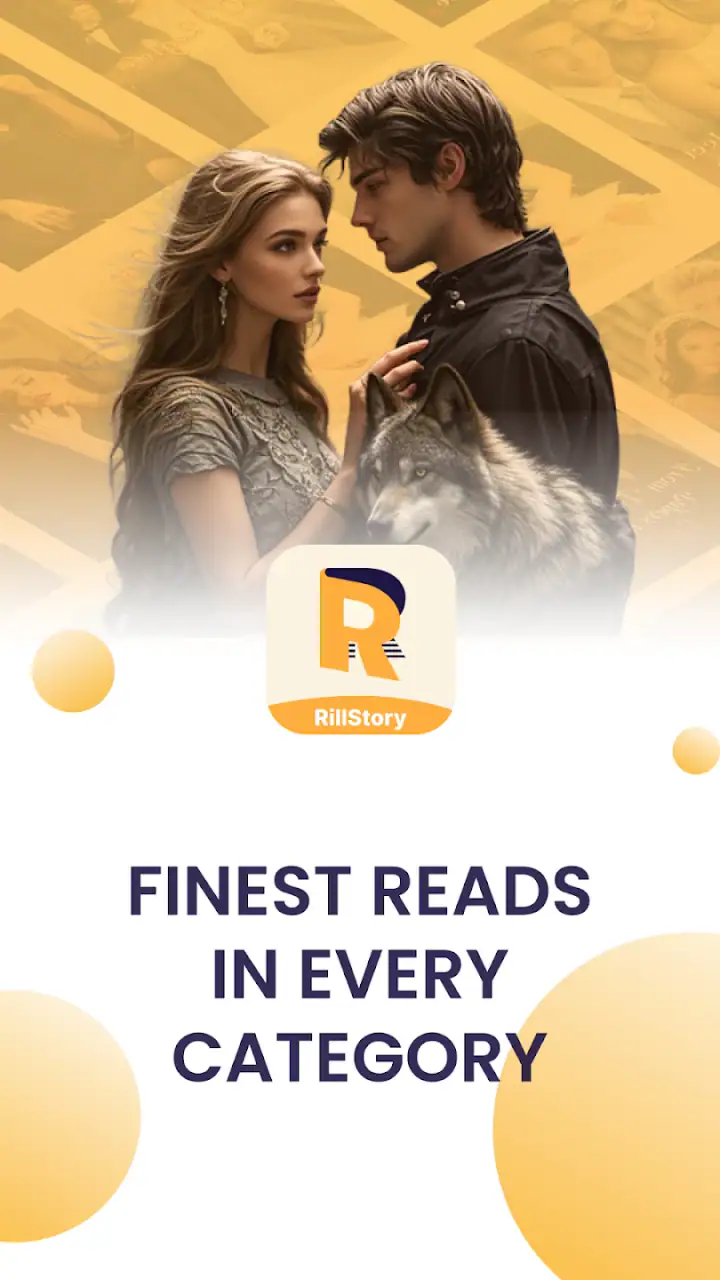
A useful habit is to separate discovery from evaluation. I do not try to decide whether a story is objectively excellent before starting it. I ask whether it suits the time I have available and whether the opening gives me enough reason to continue. That is where RillStory’s focused presentation works best: it encourages a personal choice instead of turning reading into a research project.
For a busy reader, I would use it in small sessions. Ten or fifteen quiet minutes after dinner can be enough to establish a routine, and the app’s value grows when it helps me return to reading regularly. I would not open it expecting the same tools I use for academic research, technical reference, or a carefully tagged archive. Its Books & Reference classification describes the broad area, but the experience is much more leisure-oriented than a serious reference manager.
One practical tip is to avoid browsing endlessly. Discovery apps can become entertaining in their own right, and that can defeat the purpose of finding a book. I get more from RillStory when I choose a stopping rule: select one promising story after a brief scan, read it for a while, and only then decide whether to continue. This turns the app from a catalogue into a doorway.
Another useful distinction is between a reading app and a reading habit. RillStory can make the first step easier, but it cannot guarantee that every title will match my taste or that I will keep returning. I still need to be willing to leave a story that does not work for me. That is not a flaw unique to this app; it is simply the cost of discovery built around personal mood rather than a guaranteed recommendation.
A realistic late-evening scenario
Imagine finishing a long day with enough energy for a story but not enough patience to compare dozens of books. I would open RillStory, browse for a premise that feels appropriate, and start reading before the decision becomes another chore. If the opening holds my attention, the app has done its job even if I never explore every corner of it. The important result is that my phone becomes a reading device instead of a place where I scroll through unrelated distractions.
This scenario also shows where the app may not be the right choice. If I need a particular textbook chapter, a professional manual, or a book I already own in a different ecosystem, mood-based discovery is beside the point. I would use a specialist reader, a library service, or a document app instead. RillStory makes more sense when the question is “What story should I try tonight?” rather than “How do I access this exact publication?”
For families, the Teen rating should guide the decision. I would not assume that every available story is appropriate for a child simply because the app is free to install. A parent should make the reading choice with the age classification in mind and remain involved when the intended reader is younger than the rating suggests.
The trade-offs behind a free download
The free entry point makes it easy to test the concept without committing money immediately. That is helpful because discovery is personal: a reader can quickly tell whether the app’s presentation and story selection fit their taste. At the same time, the optional purchases are not trivial amounts. With individual items reaching around two hundred dollars, I would be careful about treating the app as a casual place to tap through every tempting option.
My advice is to decide in advance what kind of spending feels reasonable and to pause before purchasing anything that appears during an enthusiastic reading session. A story can create strong momentum, especially late at night, when I am less likely to compare alternatives. The free installation removes the initial barrier, but it does not mean the full experience is cost-free for every reader.
This pricing structure also affects who should try it first. Someone who wants a completely unrestricted free reading service may become frustrated if the stories they most want are tied to purchases. Someone who is comfortable sampling a free app and paying selectively for a title they genuinely value may find the model more acceptable. I would test the everyday reading flow before spending, rather than assuming that the free download tells me everything about long-term use.
The current version is 5.4.0 and it supports devices running Android 7.0 or later. That gives the app a reasonably broad Android reach, including older phones that are no longer on the newest software. Still, device compatibility is only the starting point. Reading comfort depends on the screen, battery condition, notification habits, and whether I can create a quiet environment. I would keep notifications under control during a session, because the app cannot make a distracted phone feel like a dedicated reader.
There is also a psychological trade-off in a mood-led catalogue. The same freedom that helps me discover something unexpected can make the selection feel less predictable. Readers who want transparent organization, extensive sorting, or a carefully maintained personal archive may prefer a conventional ebook library. RillStory is better when I want guidance through choice, not when I want to control every part of the collection.
Who gets the most from RillStory
I would recommend it first to readers who often say they want to read but cannot choose a book. The app’s strongest contribution is lowering that starting barrier. It is also a good fit for people who enjoy discovering fiction by feeling, atmosphere, and premise instead of following a fixed author list. If reading is part of your evening routine, the midnight-oriented identity may give that routine a pleasant sense of occasion.
It can also suit someone returning to reading after a long break. Rather than demanding a large commitment, I can approach it as a way to find one story that makes reading feel easy again. The most effective use is not to browse indefinitely but to let the app provide a prompt, begin a title, and judge the experience through actual reading.
I would be more cautious recommending it to a reader who already has a large collection on another platform, relies on precise library management, or mainly needs nonfiction reference material. In those cases, switching ecosystems may add friction without solving a real problem. A standard ebook reader, a library borrowing app, or a reference-focused tool could be the better choice.
The same applies to anyone uncomfortable with optional purchases or who expects every appealing title to be available without extra cost. The free download is a sensible way to explore, but the listed purchase range means I would approach the commercial side deliberately. The Teen rating also makes it unsuitable as an automatically unrestricted reading space for children.
My final reading test
After using RillStory as a discovery-focused app, I see its value in a specific situation: I want a story, I have limited patience for searching, and I am open to letting mood guide the choice. It does not need to replace every ebook service to be useful. Its job is narrower and, when it works, quite effective—helping me cross the gap between wanting to read and actually beginning.
I would start with the free version, try it during the time of day it is designed to evoke, and pay attention to whether its discovery style genuinely saves me effort. I would also review each purchase carefully rather than assuming that an engaging reading session justifies a large charge. That combination of curiosity and restraint is important because the app’s strengths and costs are closely connected.
Overall, RillStory is worth considering for Android readers who want a more atmospheric route into fiction and need help choosing their next story. Its 4.5 average and broad user base make it easy to take seriously, but my recommendation is still conditional: choose it for discovery and evening reading, not for technical reference work or strict collection management. If that distinction matches your habits, it can turn a vague late-night impulse into a real reading session.
FAQs for RillStory
What is RillStory and what can you do with it?
RillStory is a storytelling-focused app designed for creating, reading, and sharing short-form stories in a visually engaging format. Depending on the available tools, users may be able to combine written passages with images, music, or other media to make more immersive story posts. It is suitable for people who enjoy creative writing, personal storytelling, and discovering content from other users.
Is RillStory free to download and use?
RillStory can generally be downloaded without an upfront charge, but the exact free features may depend on the current version of the app. Some tools, premium content, customization options, or additional services could require in-app purchases or a subscription. Before downloading, check the app-store listing for pricing details, available plans, and whether any trial period automatically renews.
Do I need an account to use RillStory?
An account may not be required for every basic function, such as browsing publicly available stories, but registration is commonly needed for creating content, saving favorites, following creators, commenting, or synchronizing activity across devices. If you sign up, review the available login methods and privacy settings carefully, especially if the app connects with a social-media or third-party account.
Can stories created in RillStory be shared with other people?
RillStory is intended for sharing storytelling content, so it may provide options to publish stories inside the app or send them through external platforms. Sharing availability can depend on the story format, account settings, and the app version. Before publishing, review the visibility controls to determine whether your content is private, limited to selected users, or available publicly.
Is RillStory safe for children and suitable for all ages?
The app’s suitability depends on its official age rating, community guidelines, and the type of content uploaded by users. Story platforms can contain mature themes, strong language, or links to external services, even when the core app appears simple. Parents should check the current store rating, enable device-level parental controls, and review privacy and communication settings before allowing younger users to access RillStory.
Pros
- Simple tools make short story creation accessible to beginners.
- Templates help users start projects without building every scene from scratch.
- Useful for sharing personal moments as visual stories.
- Creative editing encourages experimentation with photos and video.
- Suitable for quick content creation on mobile devices.
Cons
- Some advanced features may require a subscription or in-app purchases.
- The selection of templates and assets may feel limited for frequent users.
- Export options may not meet professional editing requirements.
- Projects can become difficult to organize as your library grows.
- Performance may vary on older phones or devices with limited storage.


